Resistance welding is a process for joining metal parts through the simultaneous application of high electrical current and mechanical pressure.
The heat generated by electrical resistance at the contact area causes localised melting of the material, allowing the joint to be formed.
These applications operate at relatively low secondary voltages, below 30 V.
Main technologies
Spot Welding
In spot welding, transformers have one or two secondary circuits, which can be connected in series, in parallel or operated independently. The typical power range is between 25 and 200 kVA.
Projection Welding
In projection welding, the compressive force and current flow are concentrated at one or more points defined by projections on one of the two parts to be joined. The typical power range is between 100 and 400 kVA.
Seam Welding
In seam welding, the electrodes are roller-shaped and current flows through the overlapping parts for extended periods.
Butt Welding
In resistance butt welding, one of the parts remains stationary in the machine while the other moves towards it until the two parts are joined, following a brief phase known as “flashing”.
Types of resistance welding transformers
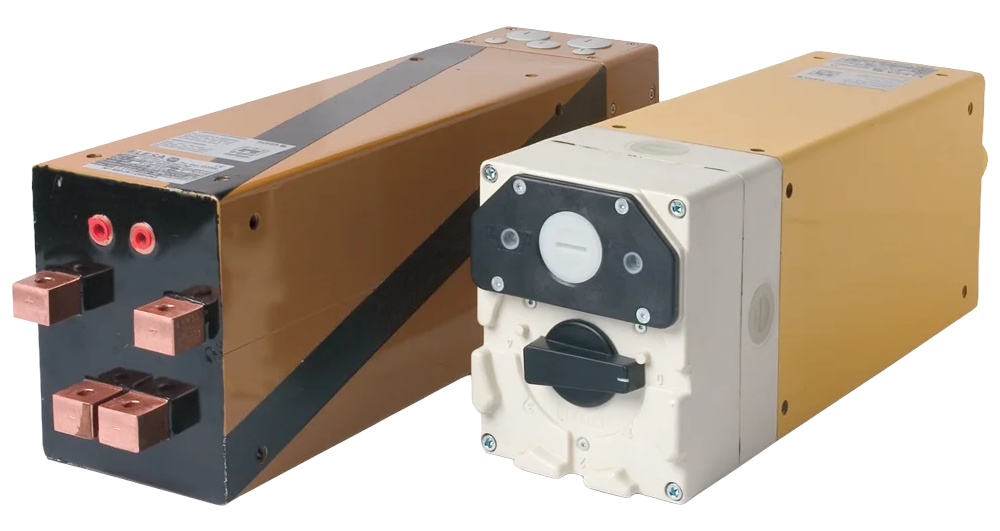
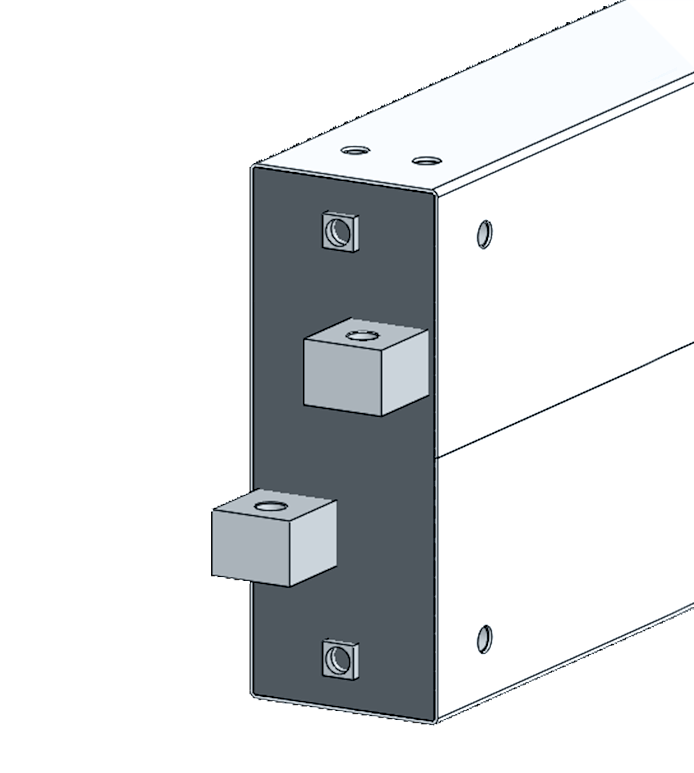
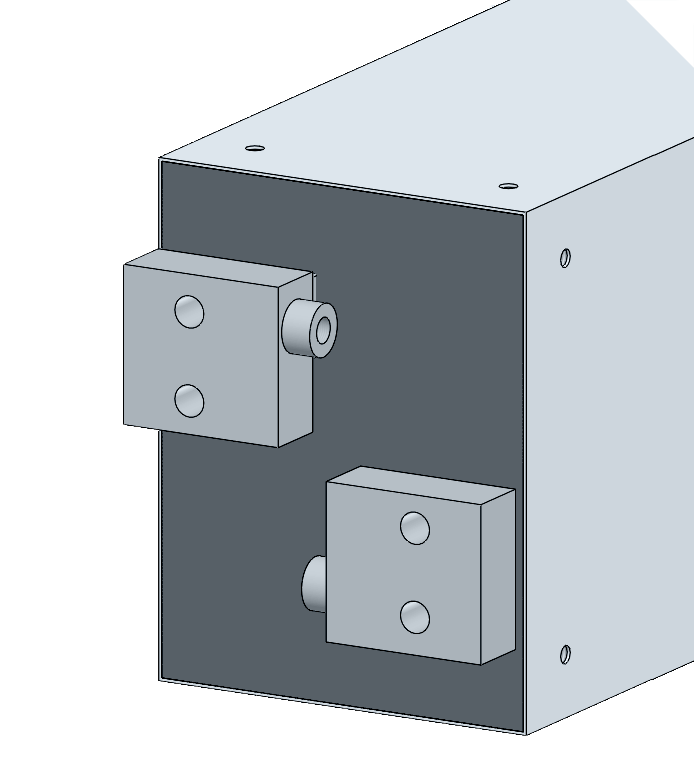
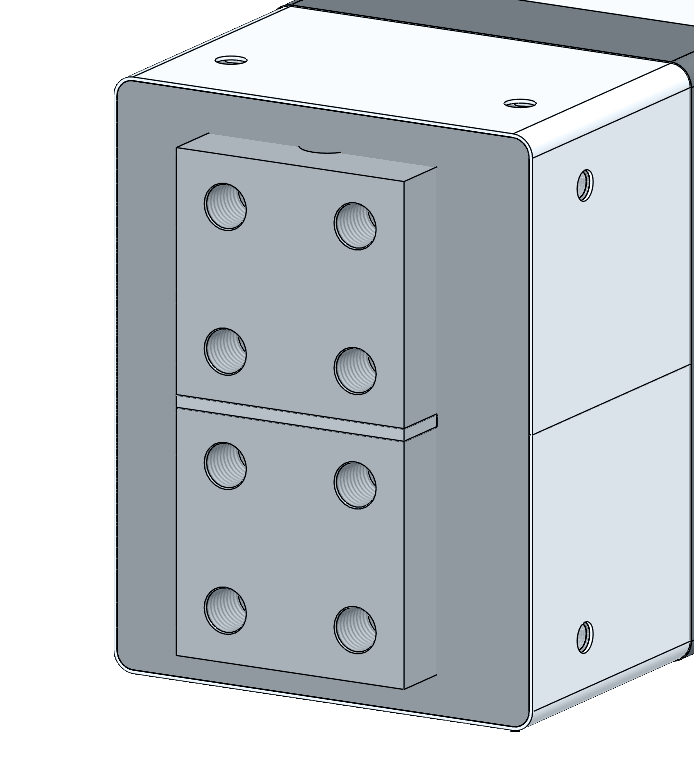
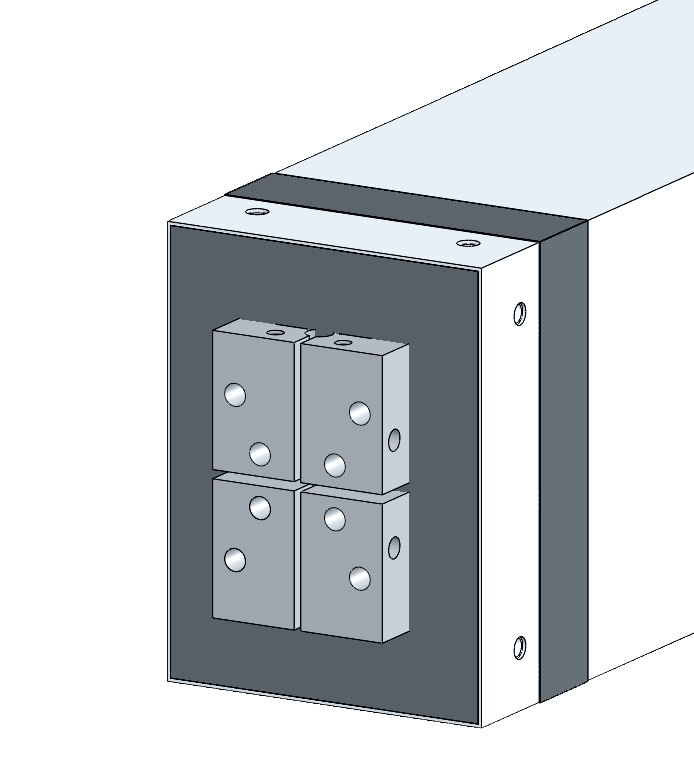
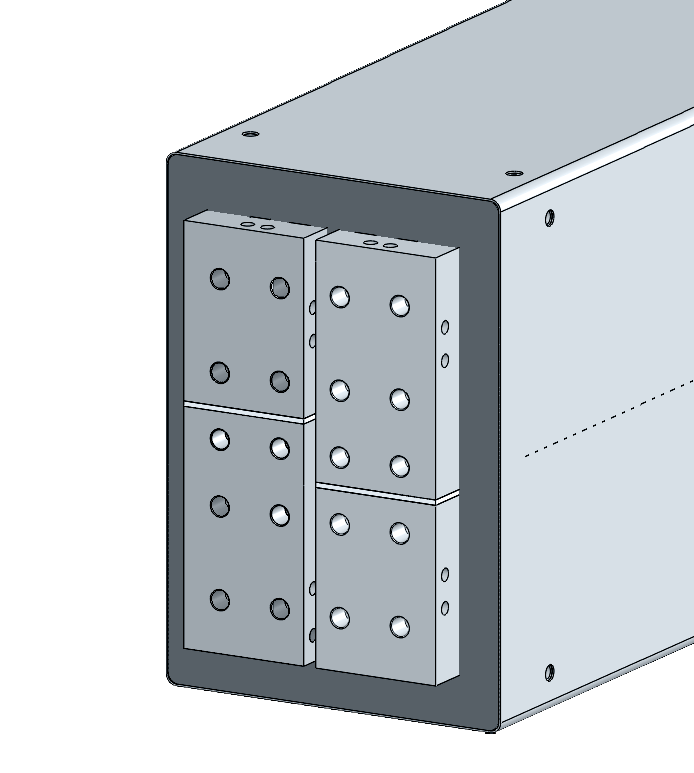
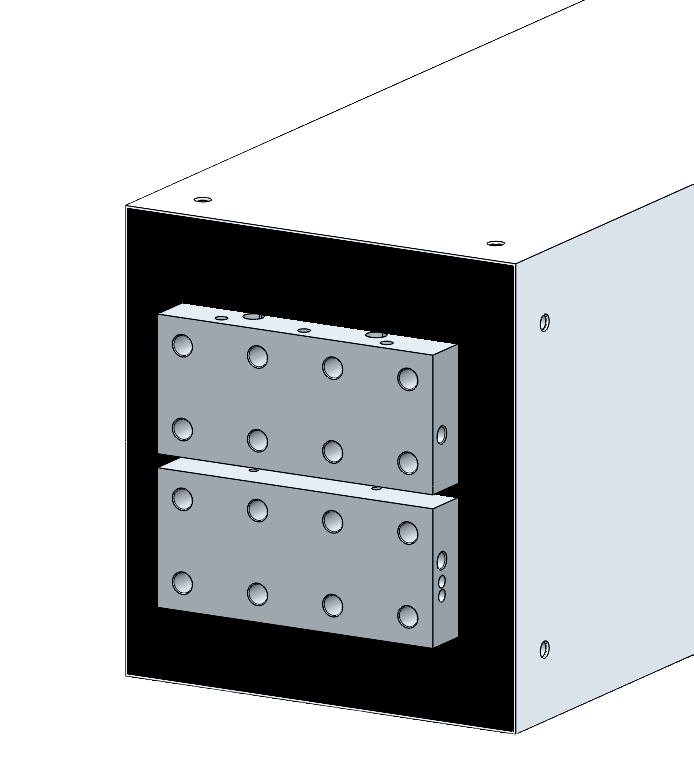
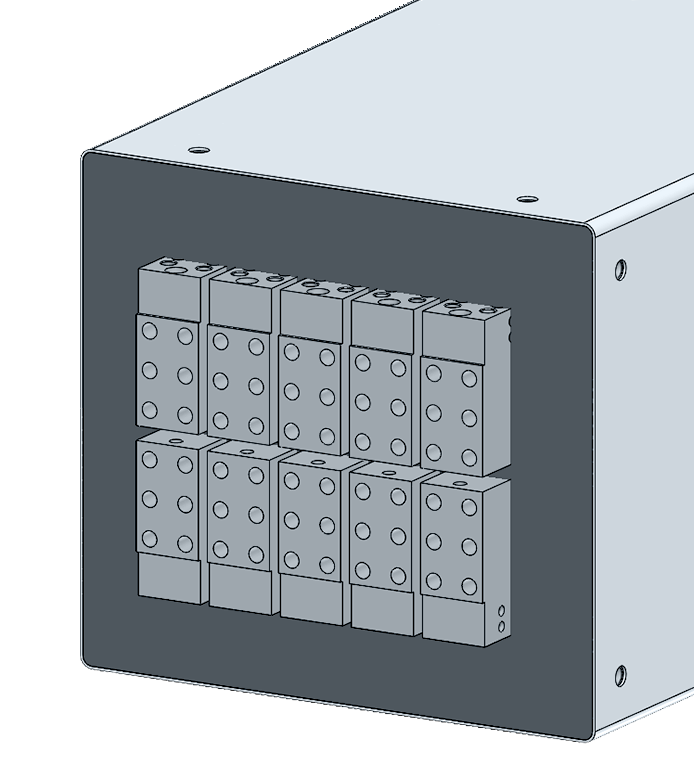
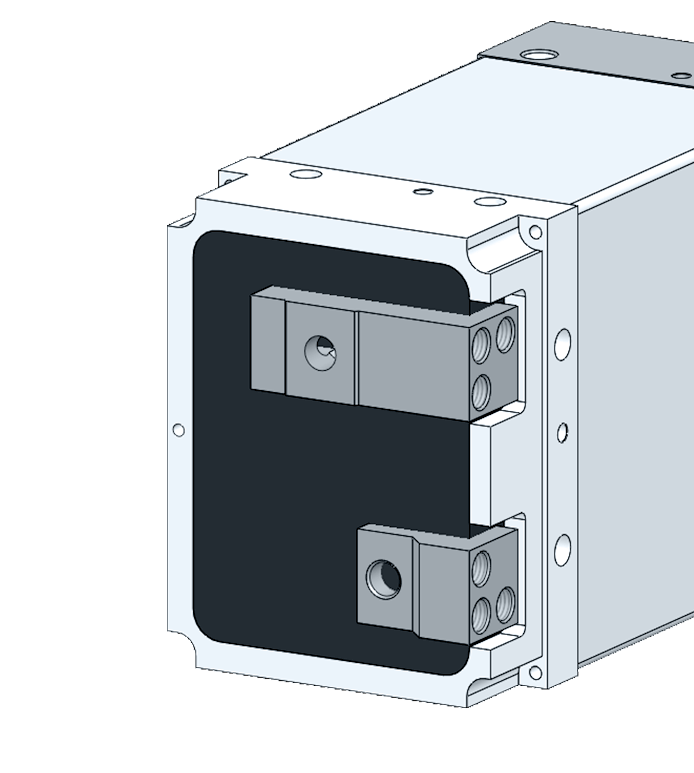
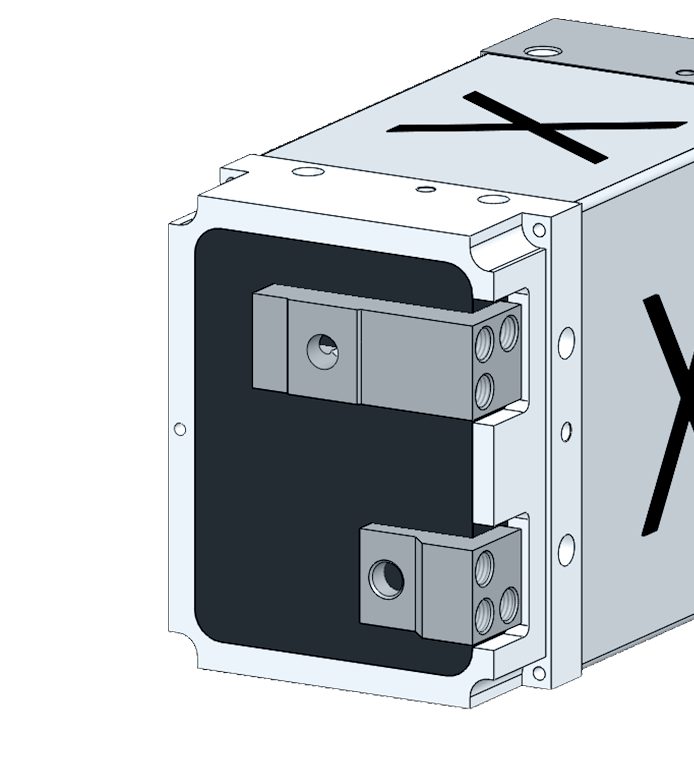
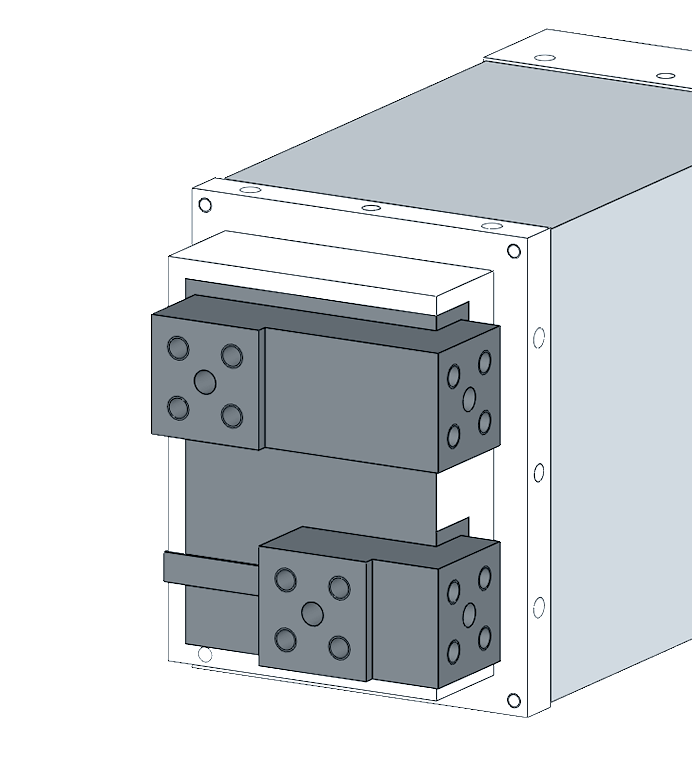
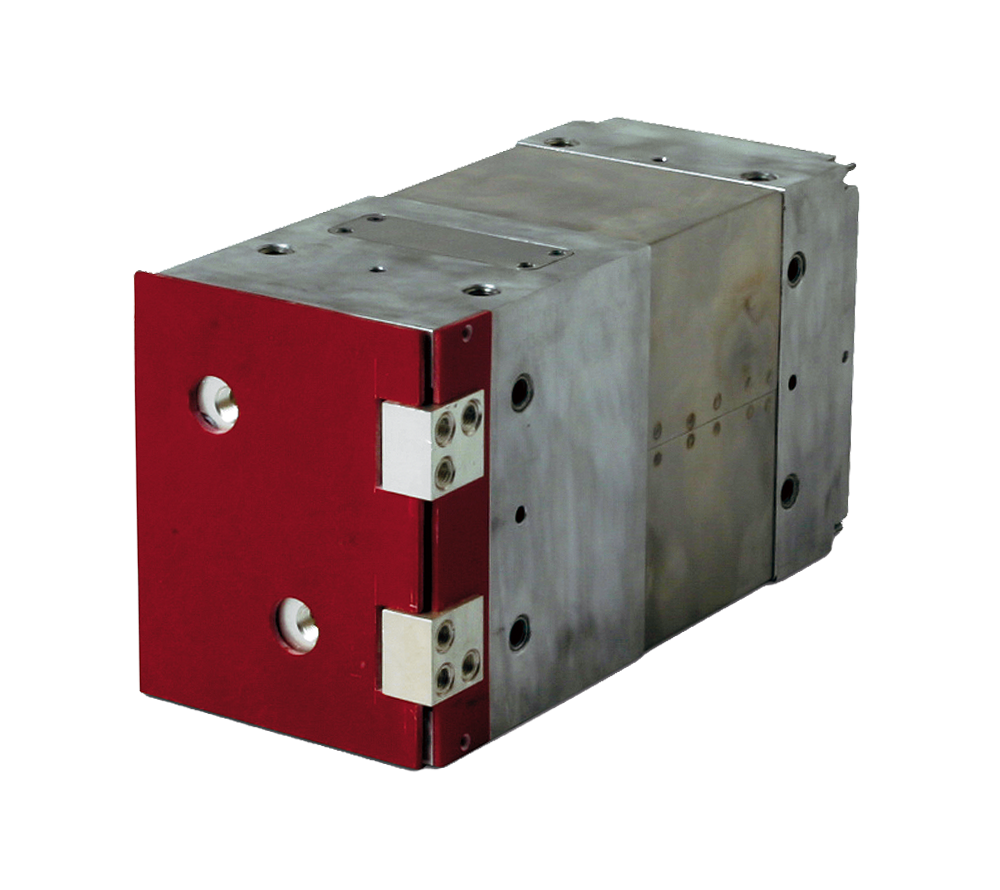
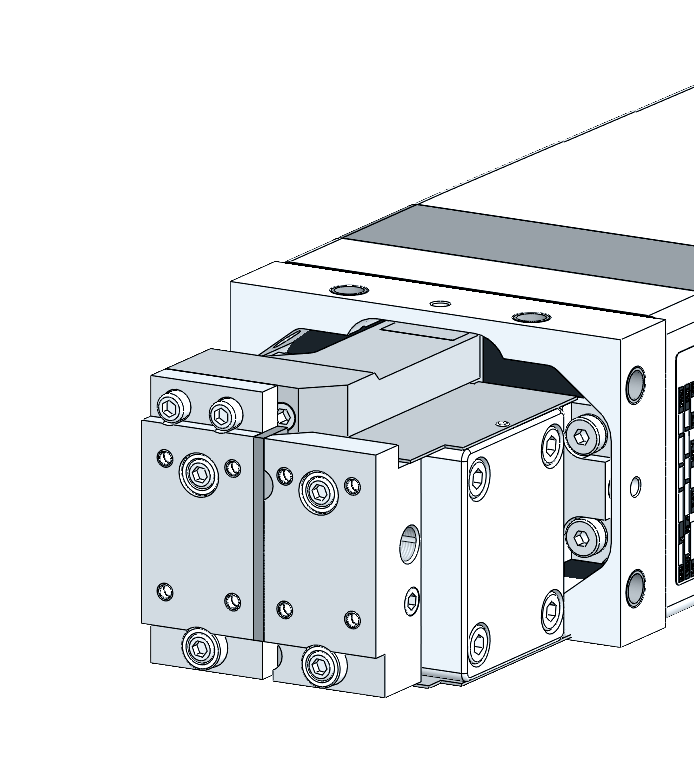
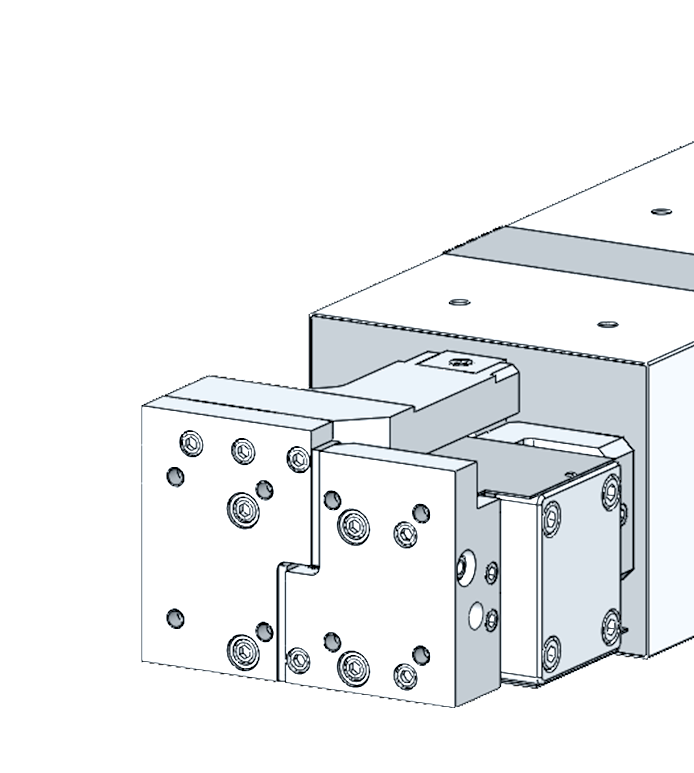
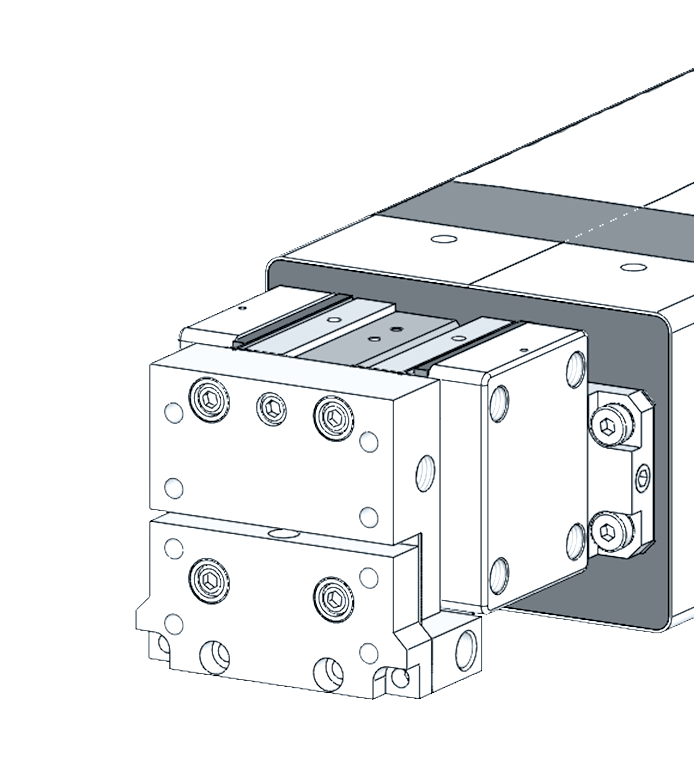
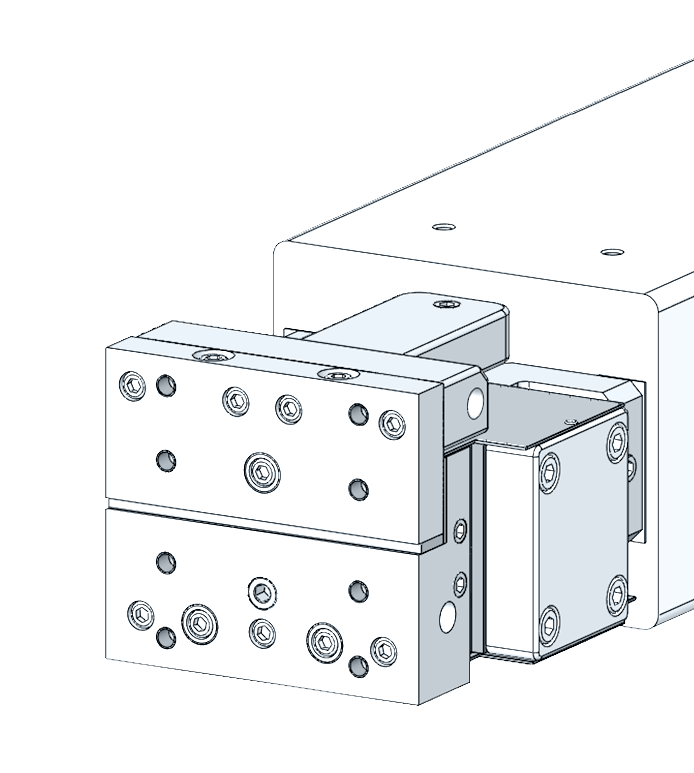
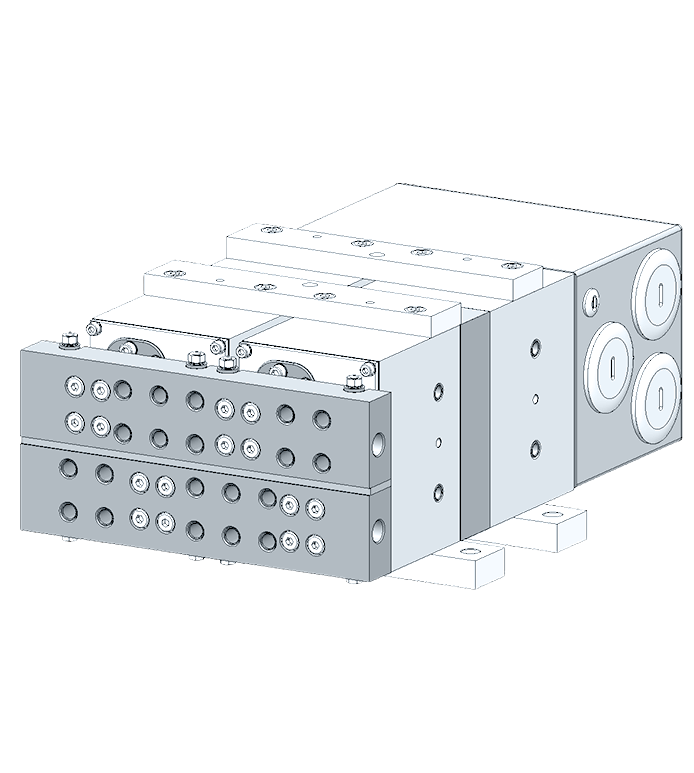
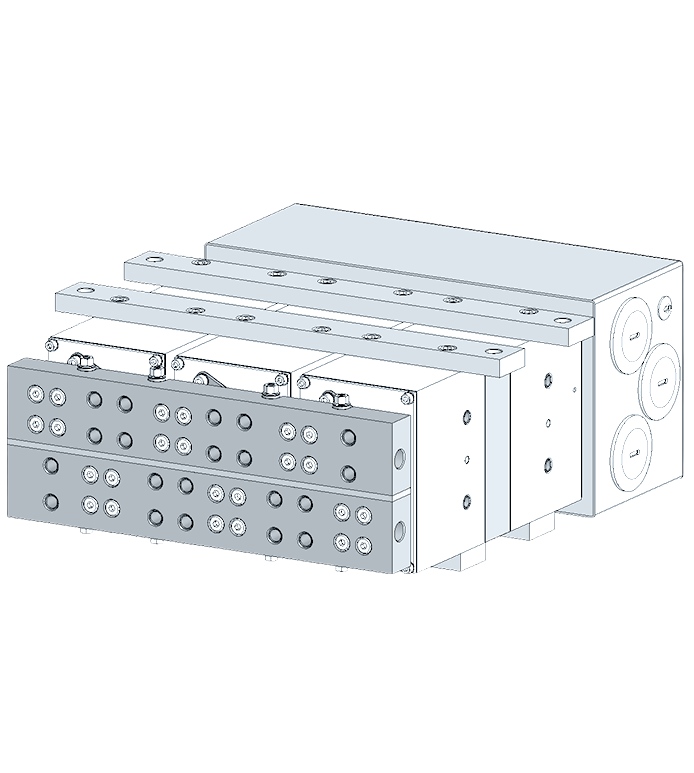
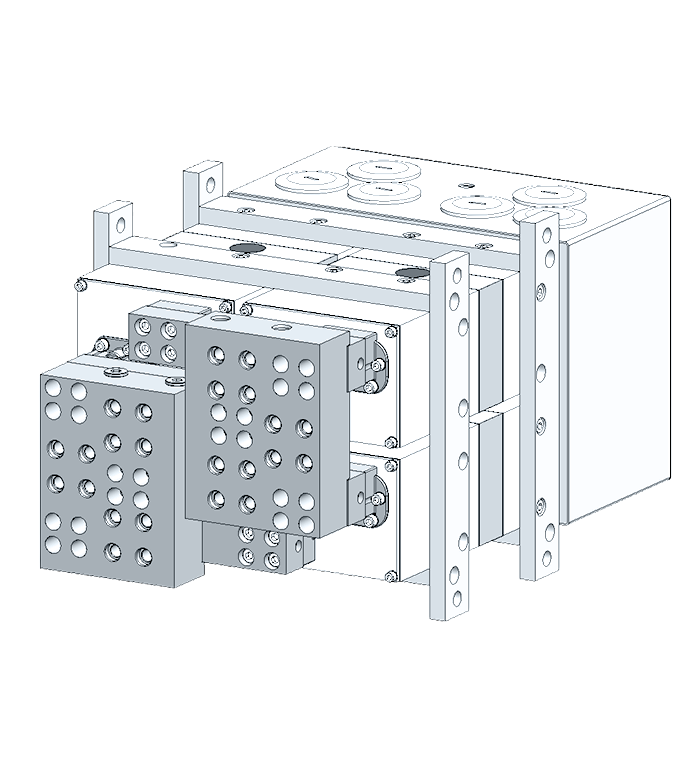
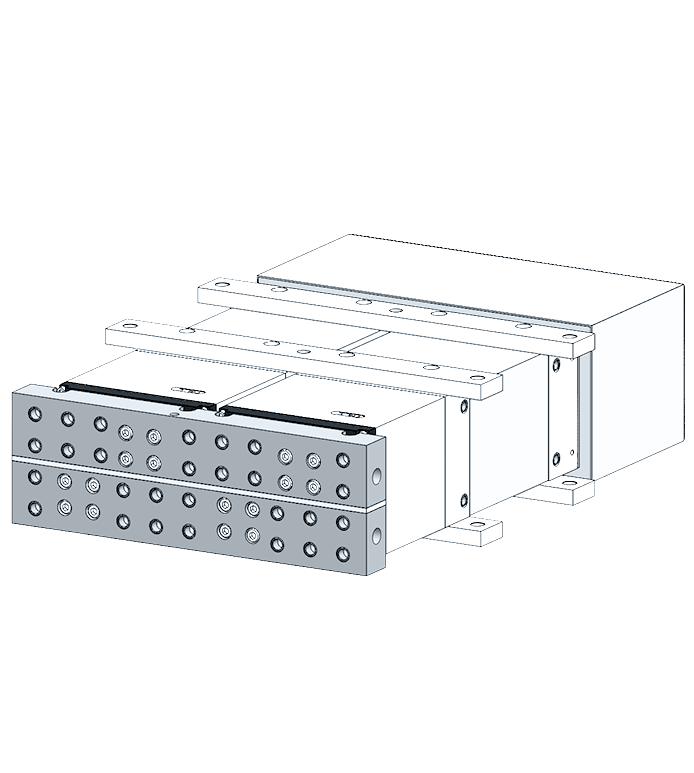
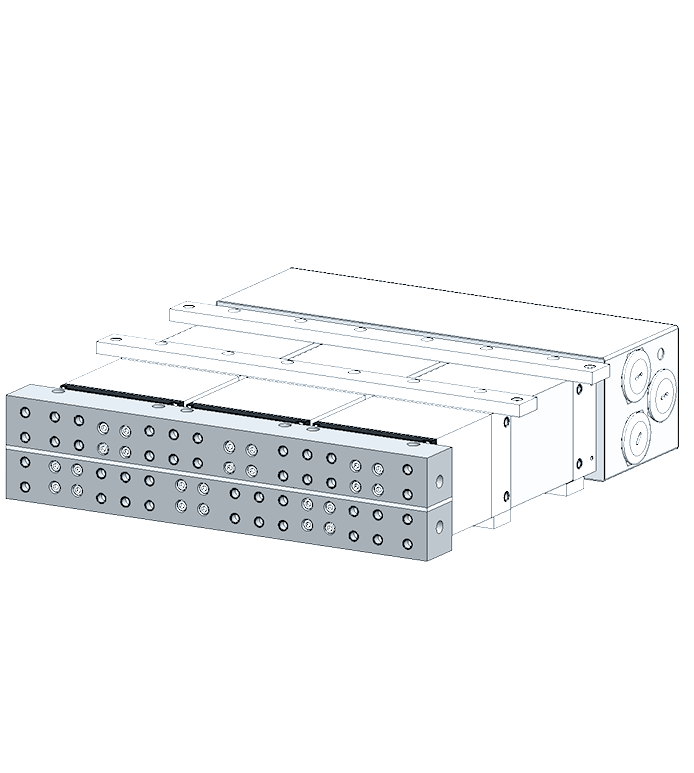
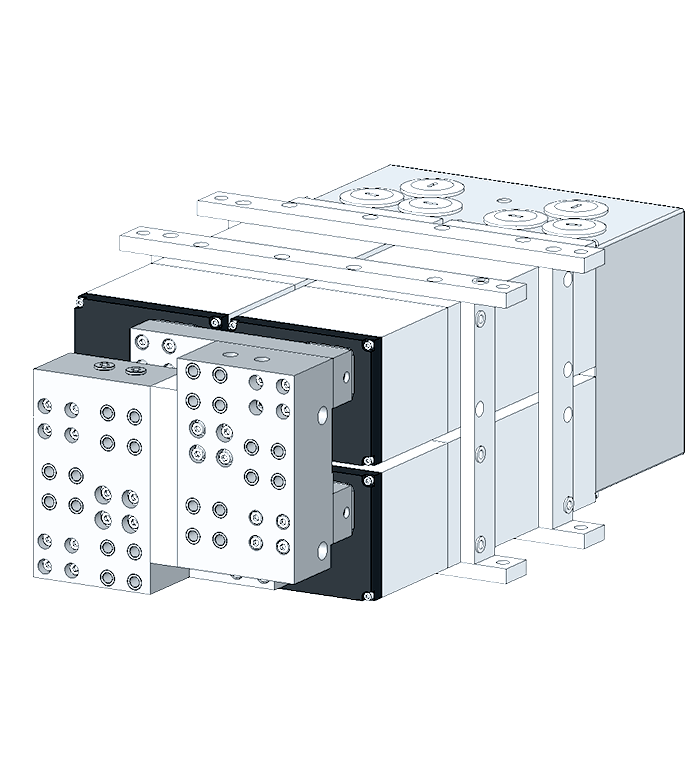
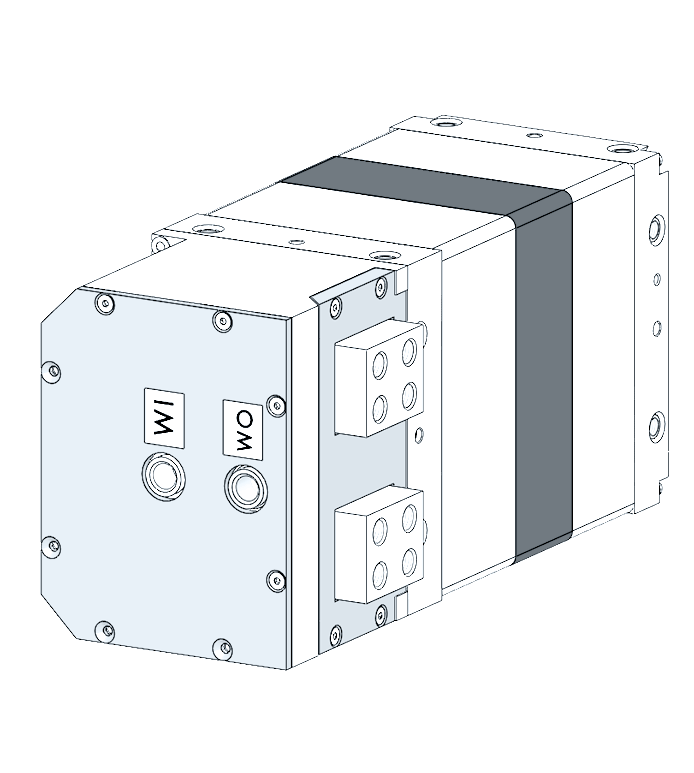
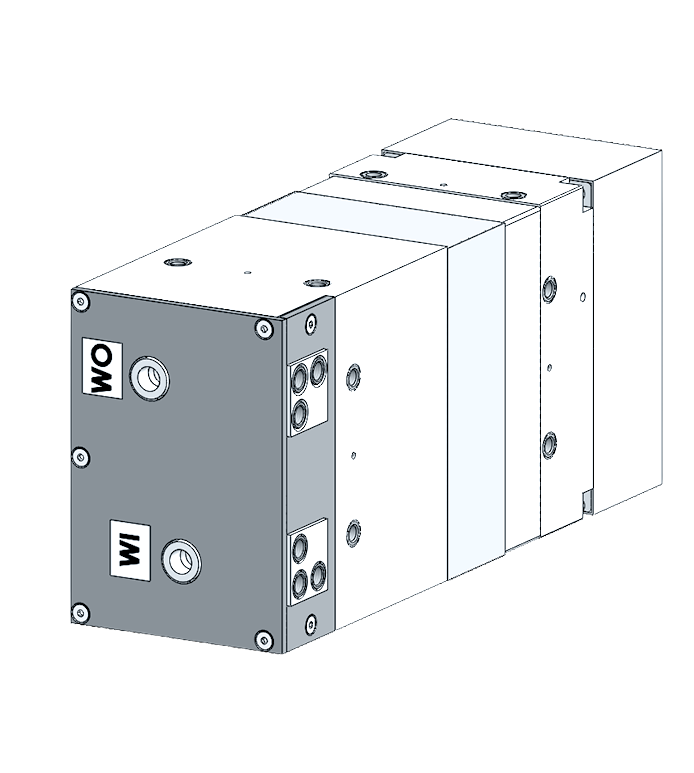
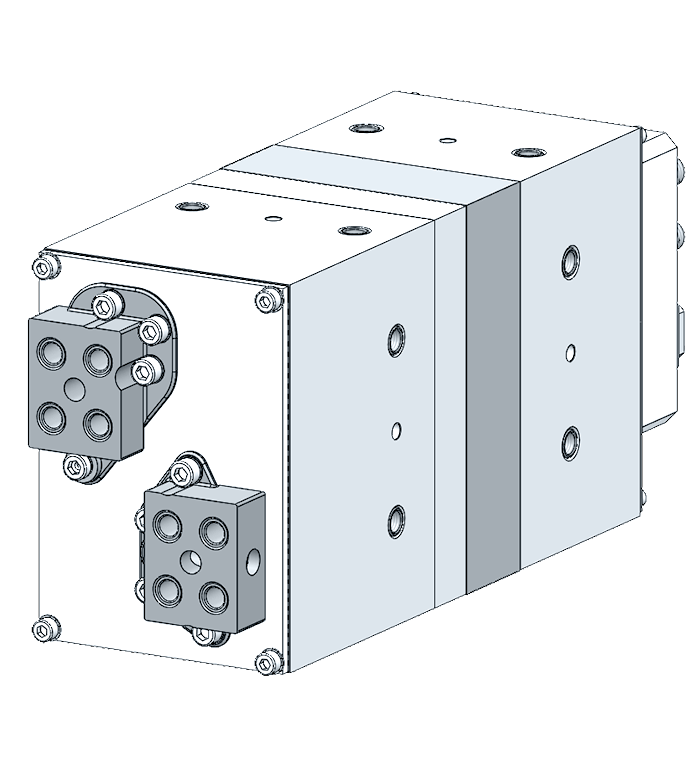
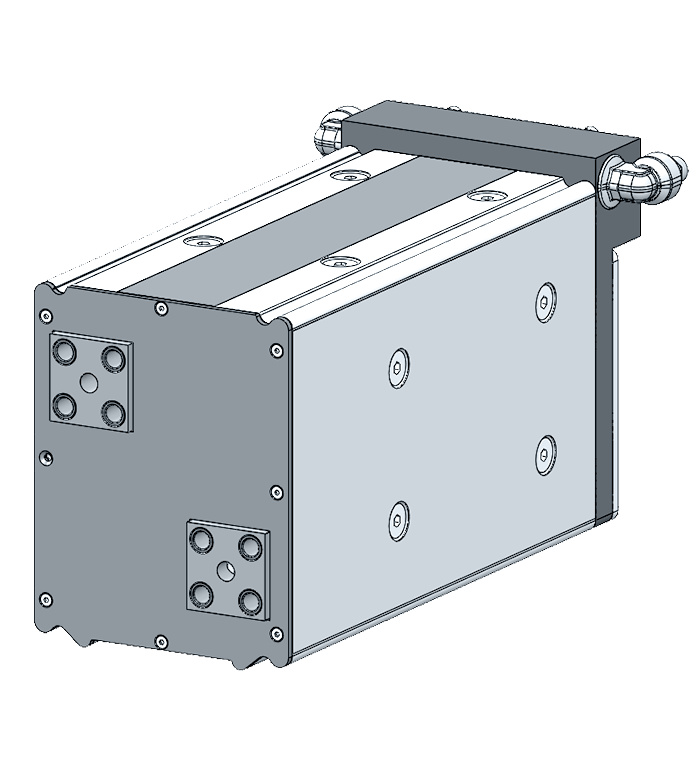
Resistance welding transformers are manufactured in AC and MFDC configurations, designed for different types of welding machines and systems.
AC transformers can be integrated into different configurations:
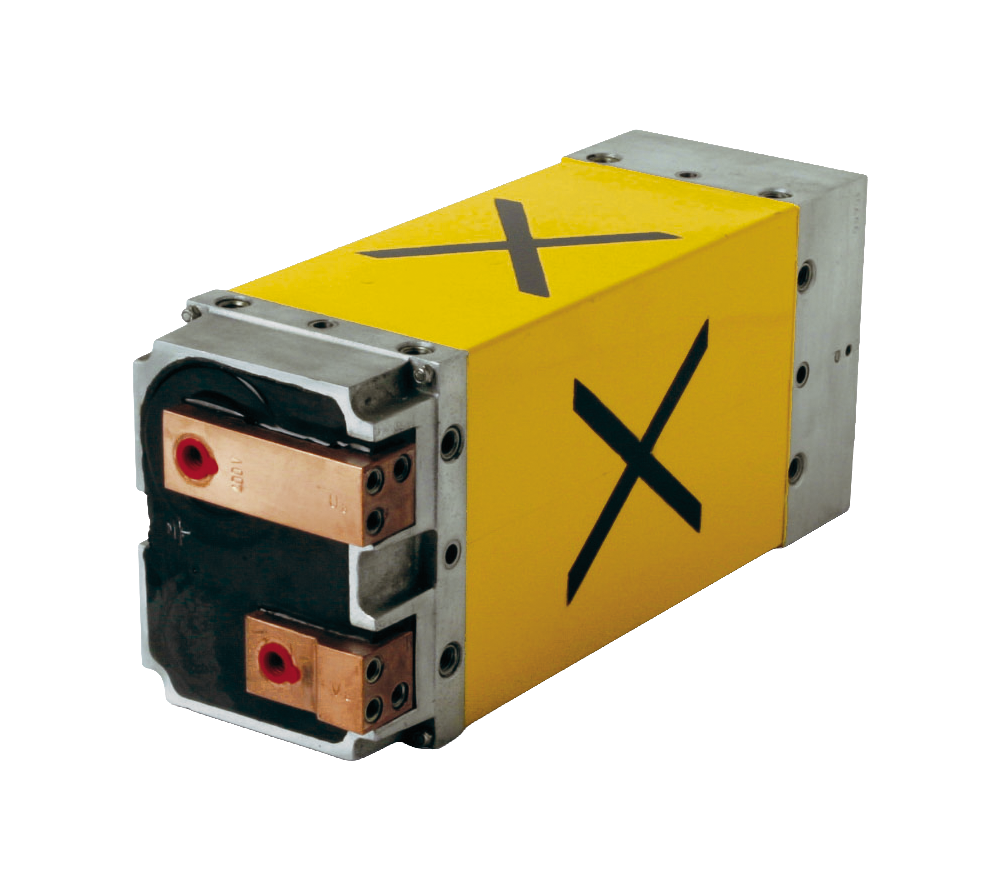
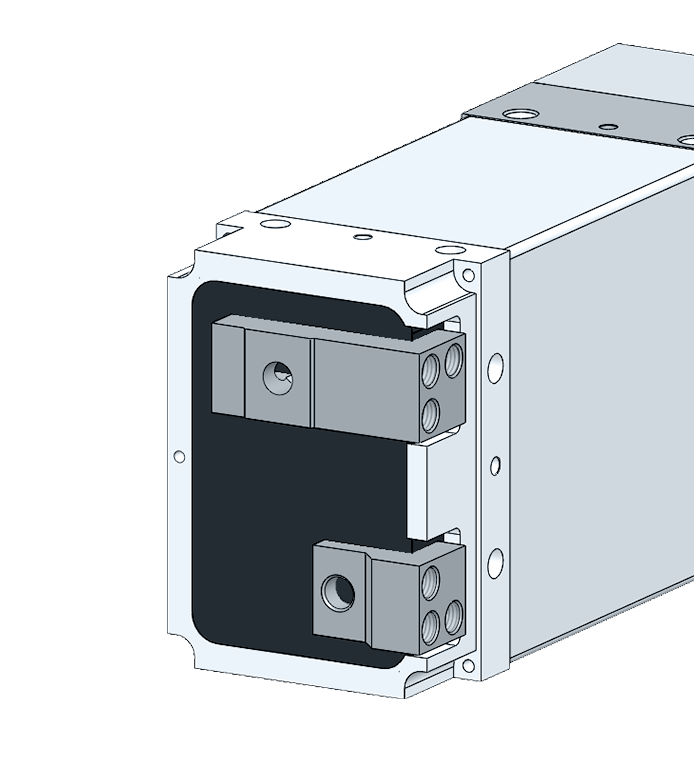
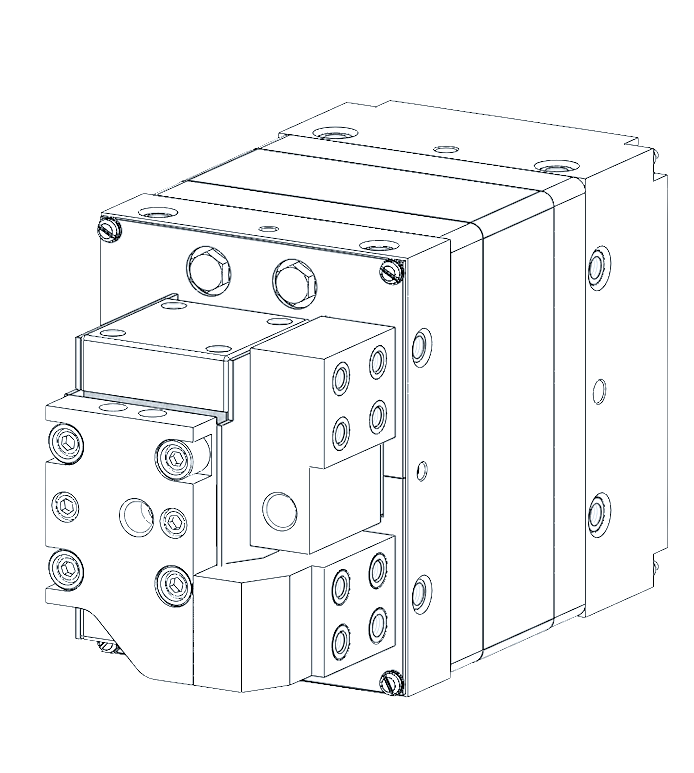
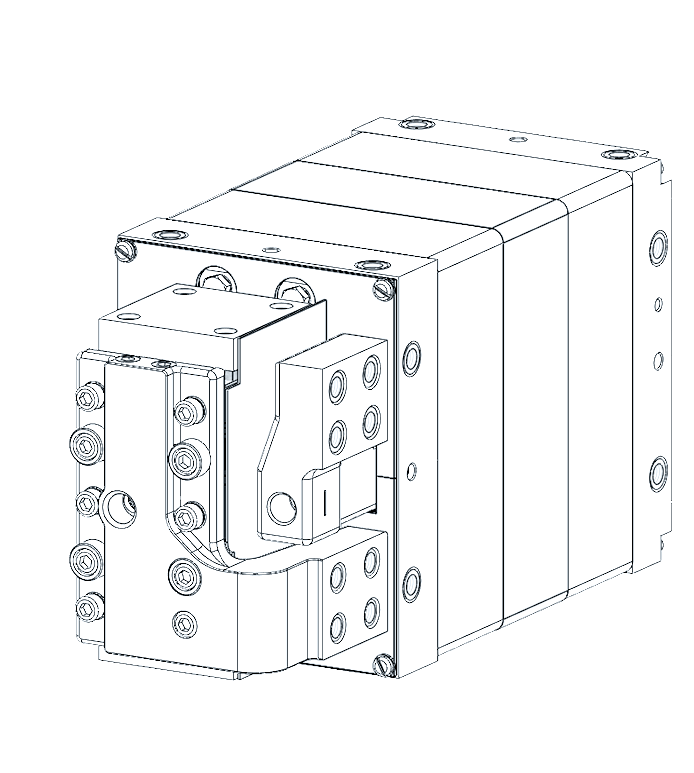
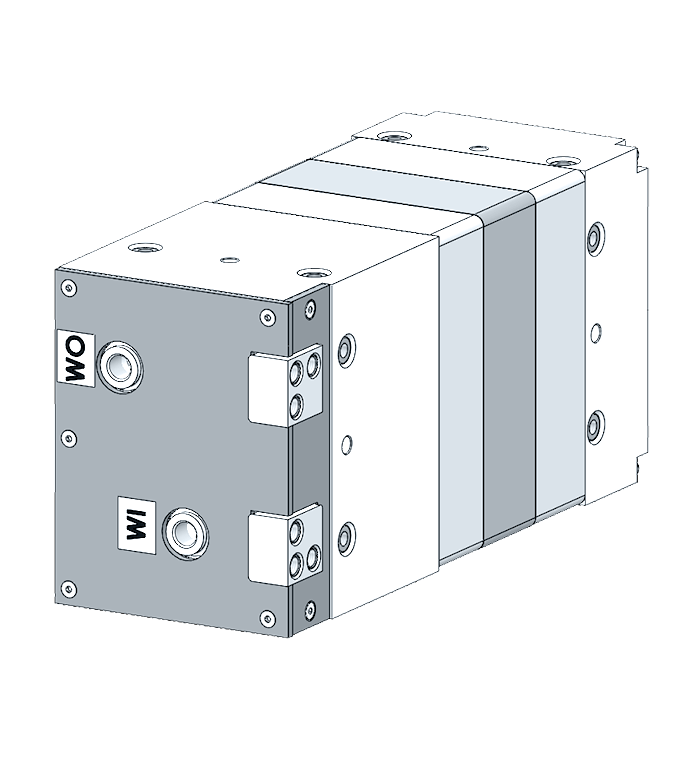
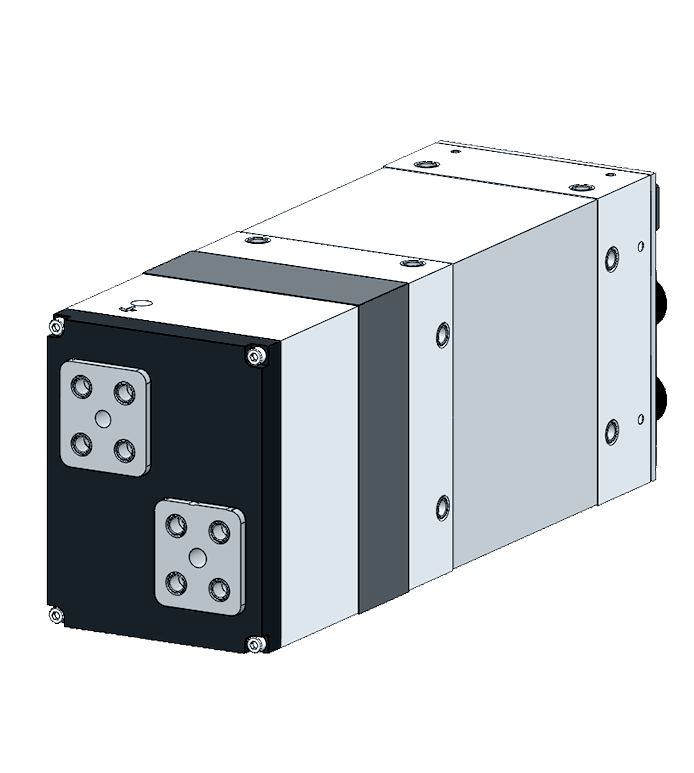
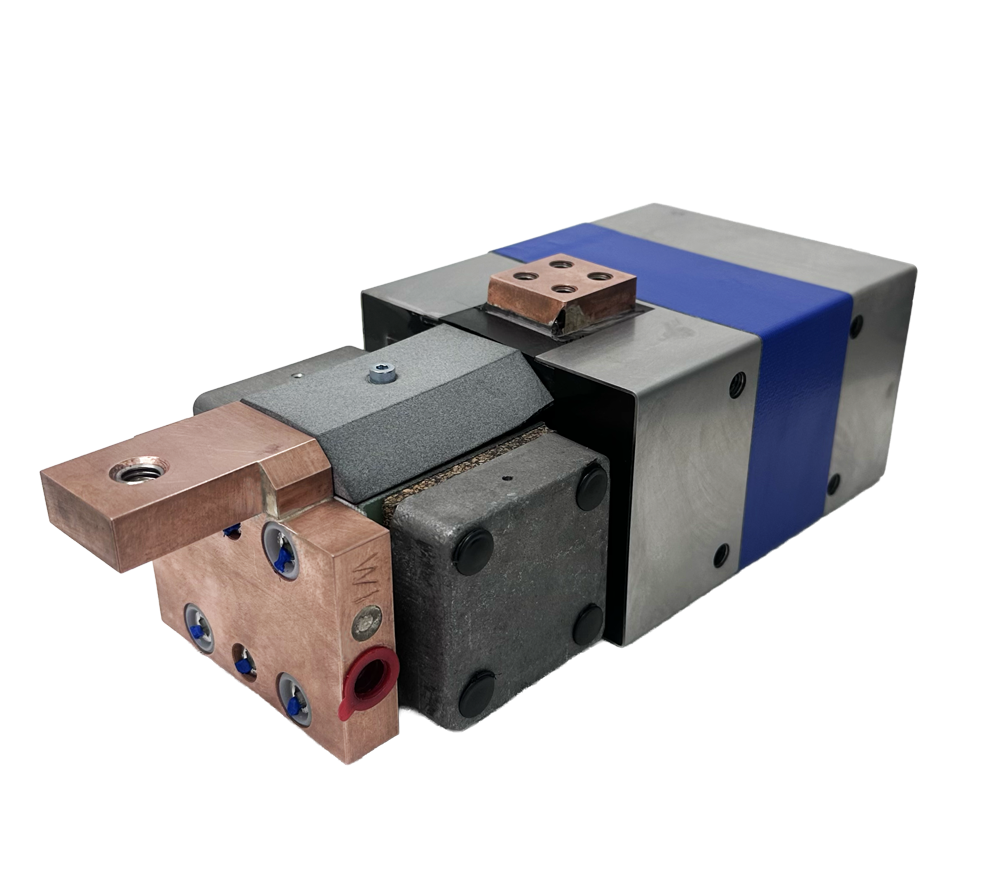
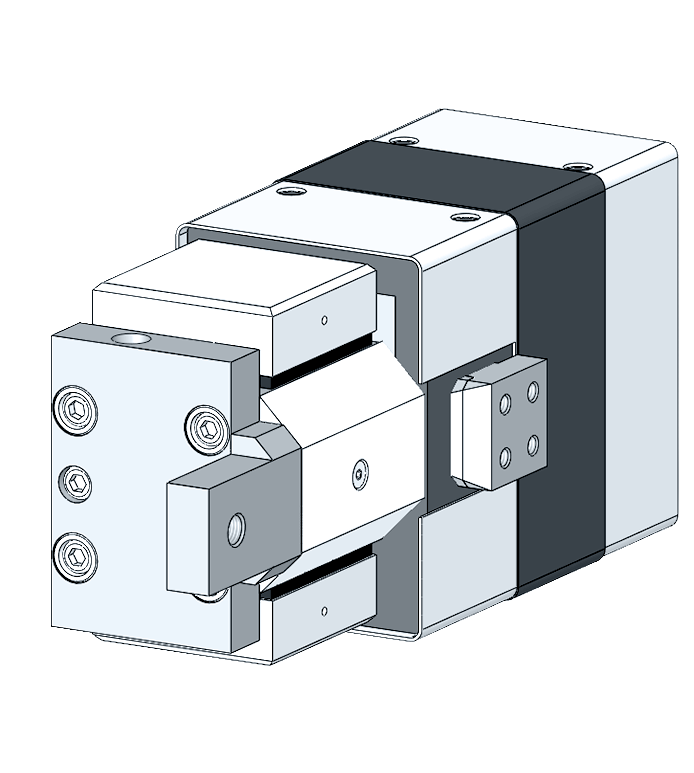
10 kHz MFDC transformers are particularly compact, water-cooled units designed for integration into lightweight manual welding guns as well as small stationary machines for microwelding applications.
They provide improved welding control and can also be used in microwelding solutions.
Power range
Below 100 kVA (50%).
Main applications
Resistance welding transformers are used in a range of industrial processes requiring efficient and precise joining of metal components.